Folsom, CA · Garage Door Service
What Cold Mornings Do to a Folsom Garage Door Spring
Why Folsom's 1962-2004 housing stock and mild-but-variable winters make torsion springs fail on the first cold snap of the year, and what to check before it happens.
- Repairs & new doors
- Springs & openers
- Serving 8 nearby communities
The Problem
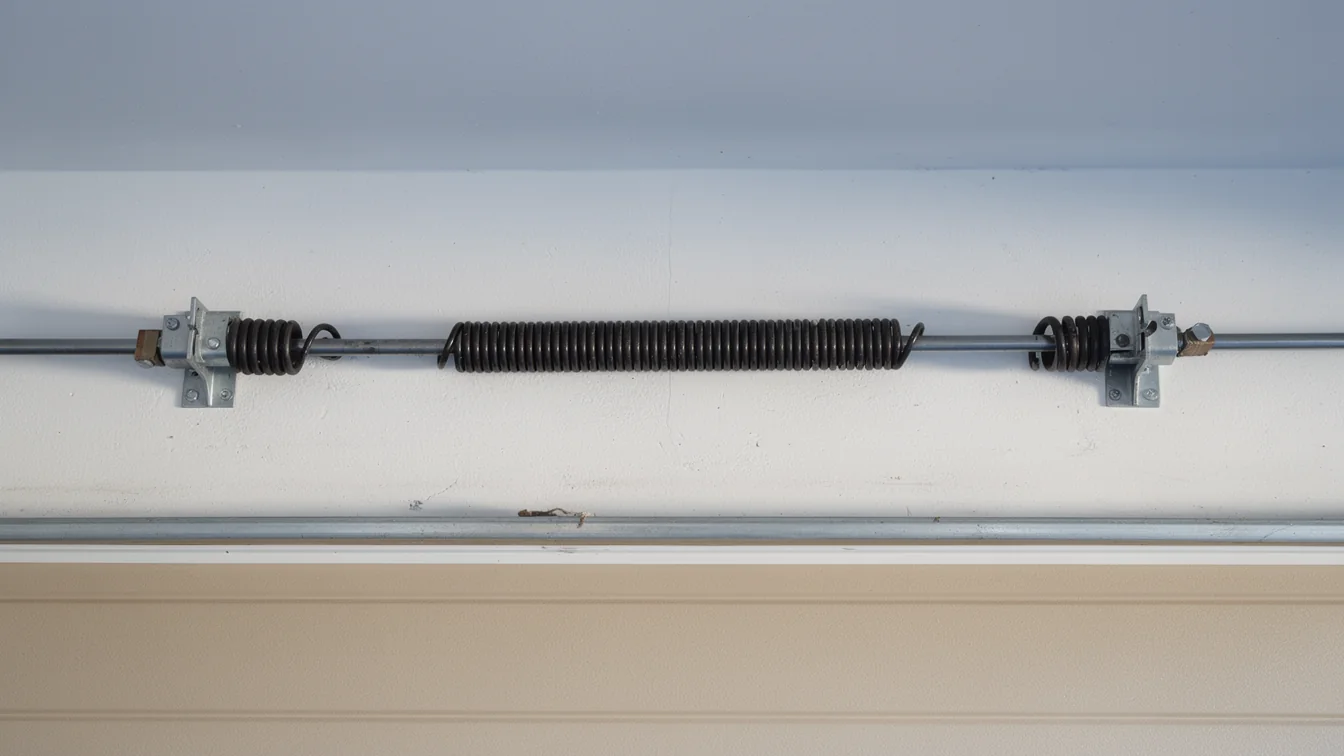
Folsom's homes mostly went up between 1962 and 2004, with the median build year sitting around 1981. That means a lot of torsion springs out there are original, or close to it, and steel fatigues on a cycle count, not a calendar. A spring rated for around 10,000 cycles doesn't care that it's lasted through three decades of mild Folsom winters - it cares how many times it's wound and unwound. When a spring goes in cold weather, it's usually because the metal was already near the end of its life and the morning's temperature drop was just the final straw.
What actually happens: steel contracts slightly as it cools, and a spring that's already fatigued loses a bit of flex right when it needs it most. On a 40-year-old door in a neighborhood built in the 1980s or 90s, that's not a freak event - it's the predictable outcome of age meeting a cold snap. You'll usually hear it before you see it: a bang from the garage, then a door that won't lift, or lifts crooked.
What Most People Get Wrong
Folsom sits in a moderate heat climate band, not a harsh winter one, and that's exactly why people get caught off guard. Owners here don't think about cold-weather failure the way someone in a true freeze zone would, so a spring that's been groaning for months gets ignored until a 40-degree morning finishes it off. The assumption is 'it's always worked,' which is true right up until the cycle count runs out.
The other mistake is treating the symptom as the problem. If the door feels heavy to lift by hand, or the opener strains and reverses, that's not an opener issue - it's a spring telling you it's losing tension. Lubricating the track or adjusting the opener's force settings might mask it for a week or two, but it won't add cycles back to a tired spring. On houses from the 1980s and 90s stock common across this area, original springs are well past the point where that kind of patch job buys you much time.
The Seasonal Bit
There's no deep freeze season here to plan around, but Folsom still gets enough of a temperature swing between summer highs and winter mornings that steel hardware feels it. The failures cluster in the first real cold stretch of the year - not because the cold itself breaks a healthy spring, but because it's the first time that year the hardware is asked to perform under tighter tolerances. A spring with some life left handles it fine. One that's been quietly fatiguing since the Clinton administration does not.
We don't push year-round maintenance plans or tell people to inspect their springs monthly. For most doors in this area, the honest schedule is: get the spring looked at once the door starts feeling heavy, making noise, or if it's old enough that nobody remembers the last time it was touched. Given the age of housing stock here, that describes a large share of doors in town.
What the Weather Here Does to It
Folsom's moderate climate band means we're not dealing with ice buildup or sustained sub-freezing stretches that crack rubber seals or seize tracks solid. What we do get is enough of a nightly temperature drop, especially in a cold snap, to be the tipping point for hardware that's already marginal. That's the honest version of what weather does here - it doesn't cause failure on its own, it exposes failure that was already coming.
One limitation worth saying plainly: we can't tell you over the phone whether a spring is close to failing. Cycle count isn't visible from the driveway, and a spring can look fine right up until it isn't. If your door is original to a house built anywhere in that 1962 to 2004 range and it's started making noise on cold mornings, that's worth a look in person rather than a guess.
Frequently asked questions
Why did my spring break on a cold morning when it's never been a problem before?
Spring failure is usually about total cycle count, not a single day's weather. If your door is original to a house built in the 1962-2004 range common in Folsom, the spring may already be near the end of its rated life. A cold morning just adds the final bit of strain that pushes it over.
Does Folsom get cold enough to damage garage door hardware on its own?
Folsom sits in a moderate heat climate band, so we don't see the sustained hard freezes that crack seals or seize tracks. The temperature swings we do get can be enough to tip an already-fatigued spring, but the cold itself isn't usually the root cause.
My door feels heavy to lift by hand. Is that a spring issue?
Most likely, yes. A healthy spring should let you lift the door with one hand and have it stay roughly where you leave it. If it feels heavy or drops on its own, the spring has lost tension and is worth having checked before it fails outright.
Can I just add lubricant to fix a noisy door instead of replacing the spring?
Lubricant can quiet a track or hinge, but it won't restore tension to a worn spring. On older doors common in this area, noise plus heaviness usually means the spring itself needs attention, not just the moving parts around it.
Related garage door services in Folsom
More garage door guides
Book garage door service in Folsom
Call now or request a quote - tell us what the door is doing and where you are.